Written by: Made Teja Permana. Translated by: Hamzah
A writer’s notes on TMD
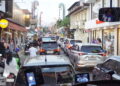
I was planning to go to Ubud. I took a ride-hailing motorbike first from home to Ubung Terminal, and my balance dropped by Rp12,000. Walking that distance was tough: from Jalan Gatot Subroto to Ubung Terminal, sidewalks are scarce and inadequate—prone to accidents.
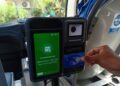
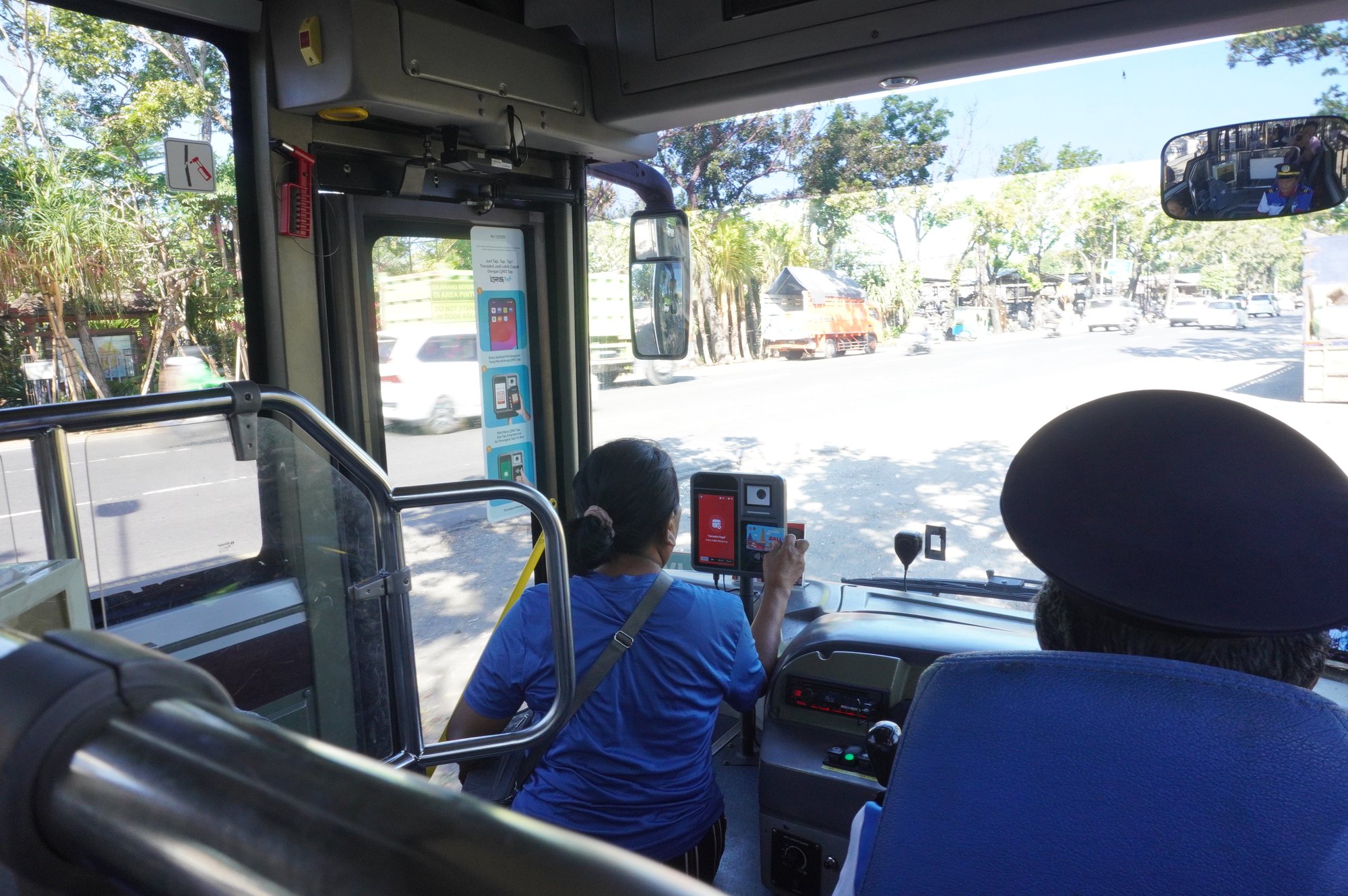
Once at the terminal, I just needed to find the TMD bus heading to my destination. Scanned the QRIS code; a trip of more than ten kilometers was paid for with Rp4,500. The driver guided me through the available payment procedure.
TMD bus stops are unevenly distributed. Bus movements from stops can be monitored through the TMD app—downloadable from the App Store and Play Store—on the “bus nearby” page. Bus changes at stops are updated every 4 minutes on that page. Users can track all bus movements via the “all bus” page.
Inside the bus, you see people from all walks of life—toddlers, young people, and the elderly.
An elderly woman beside me had many things at her feet—a bag of fruit with a McDonald’s bag, a zebra-patterned plastic bag containing elephant ear plants and root vegetables, and a bag of clothes. She had just come from Tabanan and was now heading home.
The elderly woman shared why she uses TMD. “I like riding this bus because it’s cheap. For seniors, it only costs Rp2,500 to reach your destination, and it’s not complicated. When I’m bored at home, I can just go back to my hometown in Tabanan or go for a stroll without needing my children to take me and paying for petrol, especially now that petrol is expensive. I just ask my child to book a Gojek for me,” she said.
She said she didn’t want to trouble her children who were working. If she wants to go sightseeing, she simply asks her child to order a ride to the bus stop—Ubung Terminal. “I also quite often go to Ubud to visit friends there,” she said.
She chooses to take a motorbike taxi to reach the stop; the available stops are not evenly distributed. She ends up spending quite a lot on transport.
She got off at the stop near McDonald’s on Jalan Nangka; the driver informed her. “Later, you’ll get a stop that has seats, Ma’am. The management is still surveying it. Later you’ll be able to sit there,” he said.
A sour tale from a visually impaired TMD user
The story of the elderly woman I met led me to Jero Puri—a masseuse, a person with a visual disability, and a daily Trans Metro Dewata user.
What brought me here was that elderly woman’s story echoing in my ears—the difference being that Jero Puri is visually impaired.
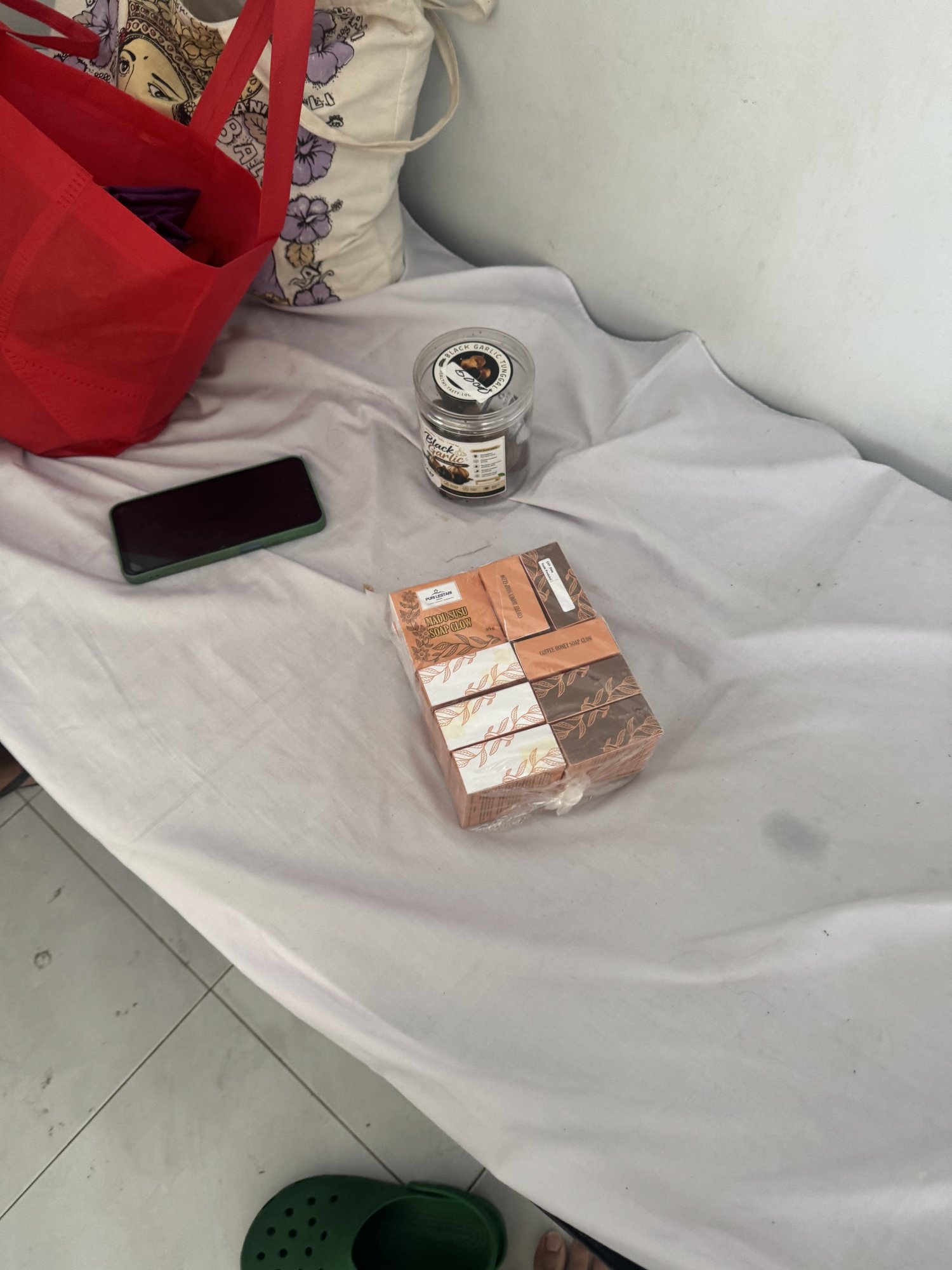
When I entered the shophouse where she works as a masseuse, Jero Puri offered her wares—while telling me about her activities the previous day. “I sell these: soap and oil. I make them myself at home. The soap comes in coffee, honey, and milk variants. This oil is also made from lemongrass, ginger, and clove. It’s warming, perfect for massage. Yesterday I sold some while waited a booth at the Denpasar Youth Festival (D-Youth). Dinas Sosial provided the booth for us that day,” she said.
While massaging, I asked how long Jero Puri had been riding TMD. “I usually go to patients’ places using TMD. I’ve been riding TMD for a long time, since TMD was first introduced, back in 2020. TMD then was free for six months, then it was free again for two years after that.”
Jero Puri recounted the difficulties she experienced when TMD services were halted some time ago. “Recently, as you might know, TMD stopped operating. I ended up taking motorbike taxis everywhere. At that time, I had a patient in Mengwi—I usually took TMD to Mengwi. When the service stopped, I had to refer the patient to friends because the transport cost wouldn’t have been covered. It was too expensive to take a motorbike taxi, and if I increased my rate, the patient wouldn’t accept it. With TMD, even for long distances it’s only Rp2,000, hence my rate stays the same.”
Jero Puri explained how she balances her massage rates with transport costs; she also highlighted the significant difference in spending between using TMD and ride-hailing motorbikes.
“Within the Denpasar area, a round trip by motorbike taxi is still manageable—to patients’ homes and also here, at my massage place (Puri Lestari Massage and Culinary, Jalan Bakung).”
“For patients in Denpasar, I cover the transport. The closest ones, around my house, a motorbike taxi ride costs maybe Rp15,000, so Rp30,000 round trip, and I pay for that myself.”
“For those around my home (Batubulan-Denpasar), I only get a profit of Rp20,000, so I charge Rp125,000 when I visit patients nearby.”
“For long distances, like to Jimbaran in the past, they pay. I still charge Rp150,000 per hour for outcalls. If they get a massage at my place, on Jalan Bakung, it’s Rp100,000.”
“When I go to patients, I go everywhere alone. During the time TMD stopped, I went everywhere by motorbike taxi. My child didn’t take me. When I took Gojek everywhere, the cost multiplied many times over.”
Jero Puri explained why TMD is such a good facility. “Riding TMD is very comfortable, really nice. The comfort is because it’s air-conditioned. It’s suitable for the elderly, and it doesn’t go too fast. Riding a motorbike taxi, on the other hand, is uncomfortable—they ride up on the sidewalks, and that makes me scared.”
“Besides that, as soon as you get on, you’re greeted by the—what do you call them, the driver. Then they guide you on how to pay, and they tell you where to get off. You feel looked after. Even when getting off, the driver is willing to help me step down from the bus.”
When TMD was suspended, Jero Puri held an audience with officials, together with her friends. “That’s why, when it stopped, I went to their office for an audience. I, along with my friends with disabilities, fought to have audiences everywhere, around 10 to 15 of us. When we had an audience with Mr. Parta, we all went there together.”
Jero Puri described her daily routine using TMD—from home to the bus stop and on to her destination. “I usually walk from home to the stop—about 550 meters. The stop is the one at Siulan, did you pass it? It’s on Jalan Merak; the stop is before Jalan Merak. It’s the big stop, the one usually used by the Sarbagita buses.”
Jero Puri explained that she uses different stops depending on her destination. “If I’m not going that way, I usually go from Brimob, the one at UC Silver. I cross the road at UC Silver, then walk to Indomaret. When I come back from Ubud, I have to cross, and the parking attendant usually helps me cross.”
Jero Puri shared the bitter side of using TMD: pedestrian facilities that are not friendly to the visually impaired. “It’s also hard to walk here. I usually have to skirt along the gutters, walking so I don’t get sideswiped. Especially when a car passes, I have to stop first. Because the headlights are so bright, I can’t see anything.”
Jero Puri explained that she doesn’t use TMD all the time due to one of TMD’s shortcomings. “But I don’t use TMD every day. For places close to home, no, I don’t use TMD. I usually bear the cost myself and take a motorbike taxi. For example, going to Renon, I pay myself and take a motorbike taxi. Because using TMD takes time—I usually have to leave one or one and a half hours early. Because the timing can’t be predicted (due to traffic jams).”
Jero Puri explained her time management strategy when using TMD. “For instance, if a patient books a session, I already know the time from the day before. If it’s at 10 a.m., I usually have to leave at 8 a.m. Because the bus doesn’t just go directly. To get to Renon, I have to first take a bus from the Brimob stop, then transit at Ubung—transit at Ubung to catch the TB3 bus. Not to mention the road near Krishna, there are lots of stops there. Then, I have to walk again to find the patient’s house. For example, to Badak, the TMD doesn’t reach Badak. That’s why I need to set aside time—knowing the schedule.”
“If it’s a last-minute booking, like you, for instance, last-minute ones are usually here (Puri Lestari Massage and Culinary). Then, if there’s a call, say in Sanur, and the patient wants a massage today, and I have to be there in 15 minutes, I use a motorbike taxi. Because there are often last-minute patients. ‘Ma’am, can you massage here? What time?’ In 30 minutes—I can’t do that with TMD. That’s why all patients have to book at least a day before. So I can figure out the timing.”
I continued my questions by asking about her unpleasant experiences with TMD. She recounted how she had encountered mistrust, driver negligence, and facilities that were not friendly to her.
“One time, I was getting off, and I wasn’t completely off yet. Maybe because I walk slowly. I hadn’t fully stepped out, and the bus was already moving. Ugh, terrifying. Thank goodness my balance was still good. That’s why now, every time I want to get off, I tell the driver: please be patient, sir.”
“Then, there was a time I wasn’t believed to be visually impaired. Back then, it was still free for people with disabilities. My eyes don’t look blind, and the driver said I just had cataracts. So, I reported it to the Social Affairs Agency to get a card, because at that time there wasn’t yet this kind of card, a disability card. There were a few drivers who treated me like that.”
“And another thing, finding the stops is really difficult. I usually take a motorbike taxi to the stop. Sometimes the driver can’t even find where the stop is. Even the driver doesn’t see it, let alone me. Because it’s just marked with a pole or a yellow sign, it’s quite hard to find.”
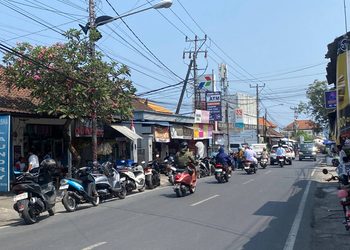
Jero Puri herself has found ways to make peace with this half-friendly city. Jero Puri tidied up her massage place—putting the oil into her bag, and closing the shophouse. As I accompanied her home, I saw the path Jero Puri takes to her bus stop—no pedestrian walkway, and a stop that is just a pole.
Original article in Indonesian: